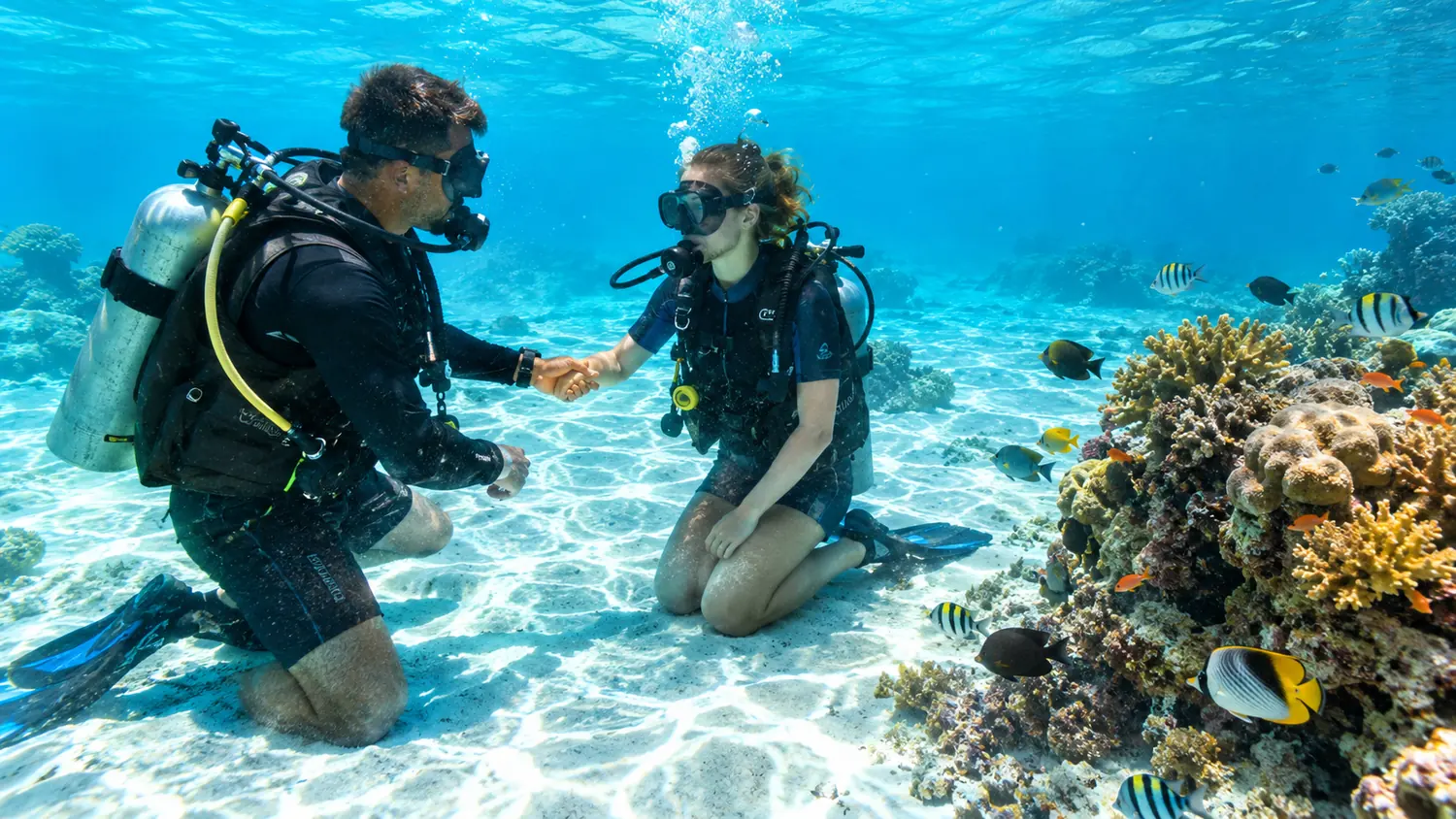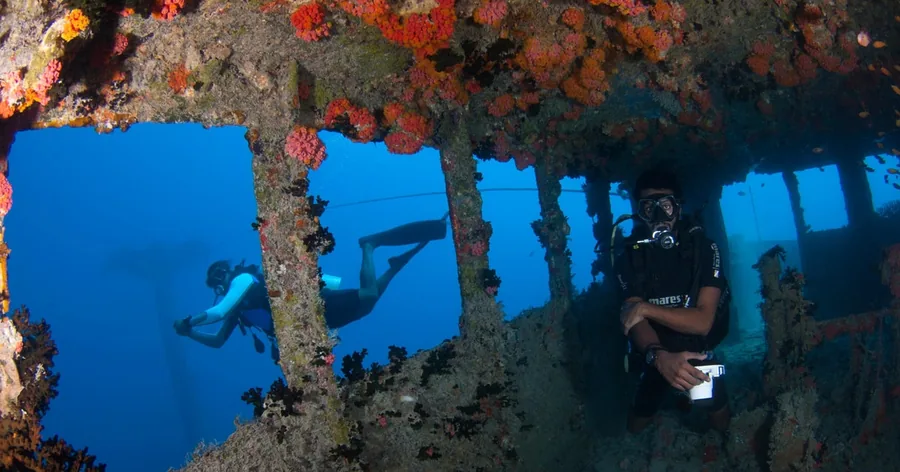
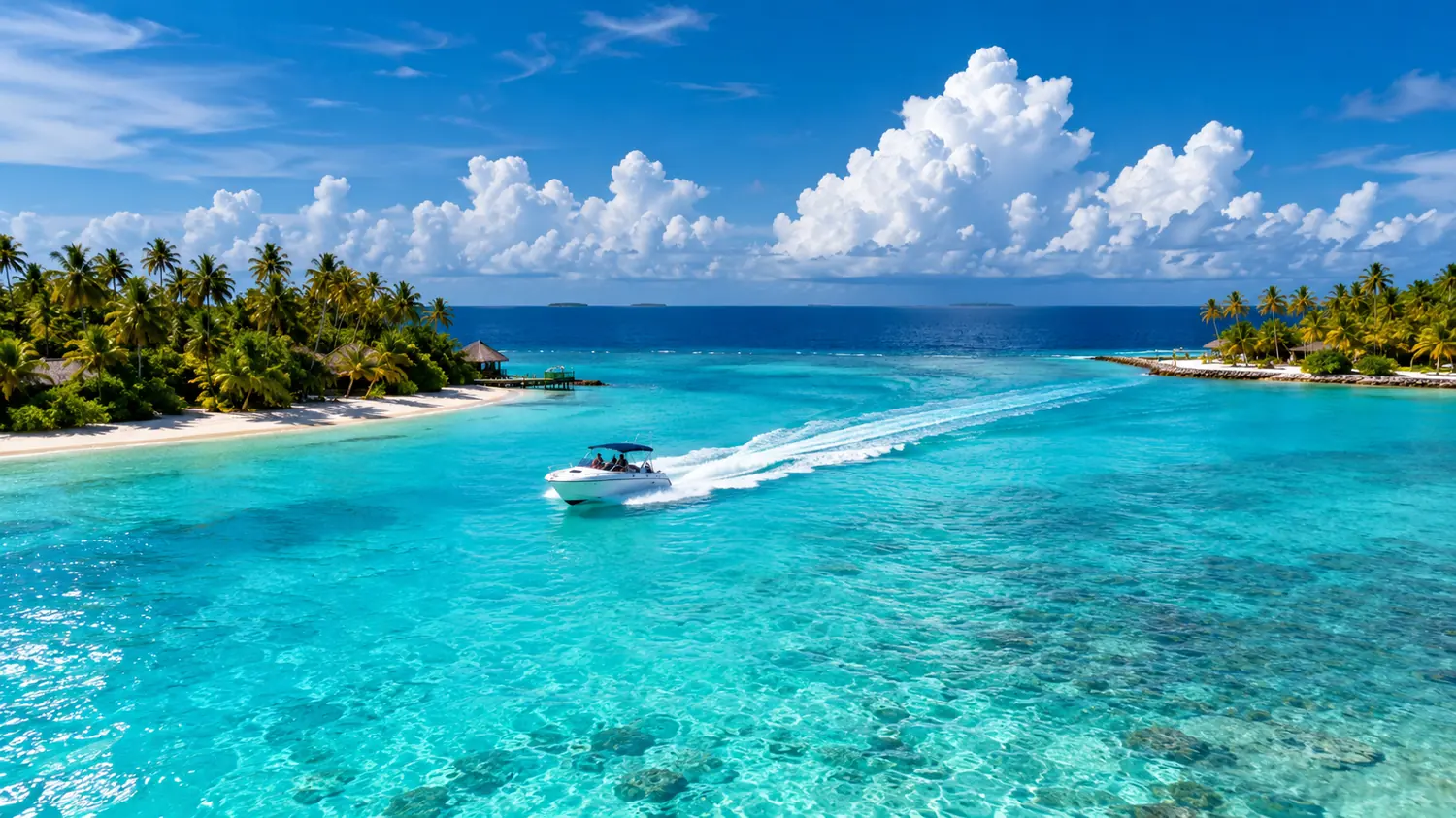
Booking choice: The nurse shark, reef and sandbank trip, ★ 4.8 (112). Check dates Compare the options below
There is no bad month for the water in the Maldives, only different ones. The reef, the turtles, the nurse sharks and the sandbanks are there all year, and the sea is warm enough to snorkel without a wetsuit in every season. What changes with the monsoons is the rain, the clarity of the water and where the big animals gather.
This guide sets out the year month by month, explains the two monsoons, and answers the questions people ask before booking: when whale sharks and mantas are best, what happens to trips in bad weather, and when dolphins are easiest to see. Where to see each animal is covered in swimming with whale sharks and manta rays and Hanifaru Bay.
The quick answer
For snorkeling and first dives, February to April usually gives the calmest, clearest water and the sunniest days. December to April is the dry northeast monsoon (Iruvai); May to November is the wetter southwest monsoon (Hulhangu), with short heavy showers between sunny spells and occasionally rougher seas. The sea is about 27 to 30 °C all year, warmest around April and May. Whale sharks are seen in South Ari all year, with many operators reporting the busiest months from about August to November. Hanifaru Bay's manta season runs from about May to November. Dolphin cruises run all year, and the calmest seas for them tend to come between the monsoons, about February to early May and September to early December. Crews move trips when the sea is rough, so keep a spare day.
When is the best time to go snorkeling in the Maldives?
February to April is usually best for clear, calm water and sunny days, but snorkel trips run all year. In the wetter months from May to November you trade a few showers for quieter islands and the manta season.
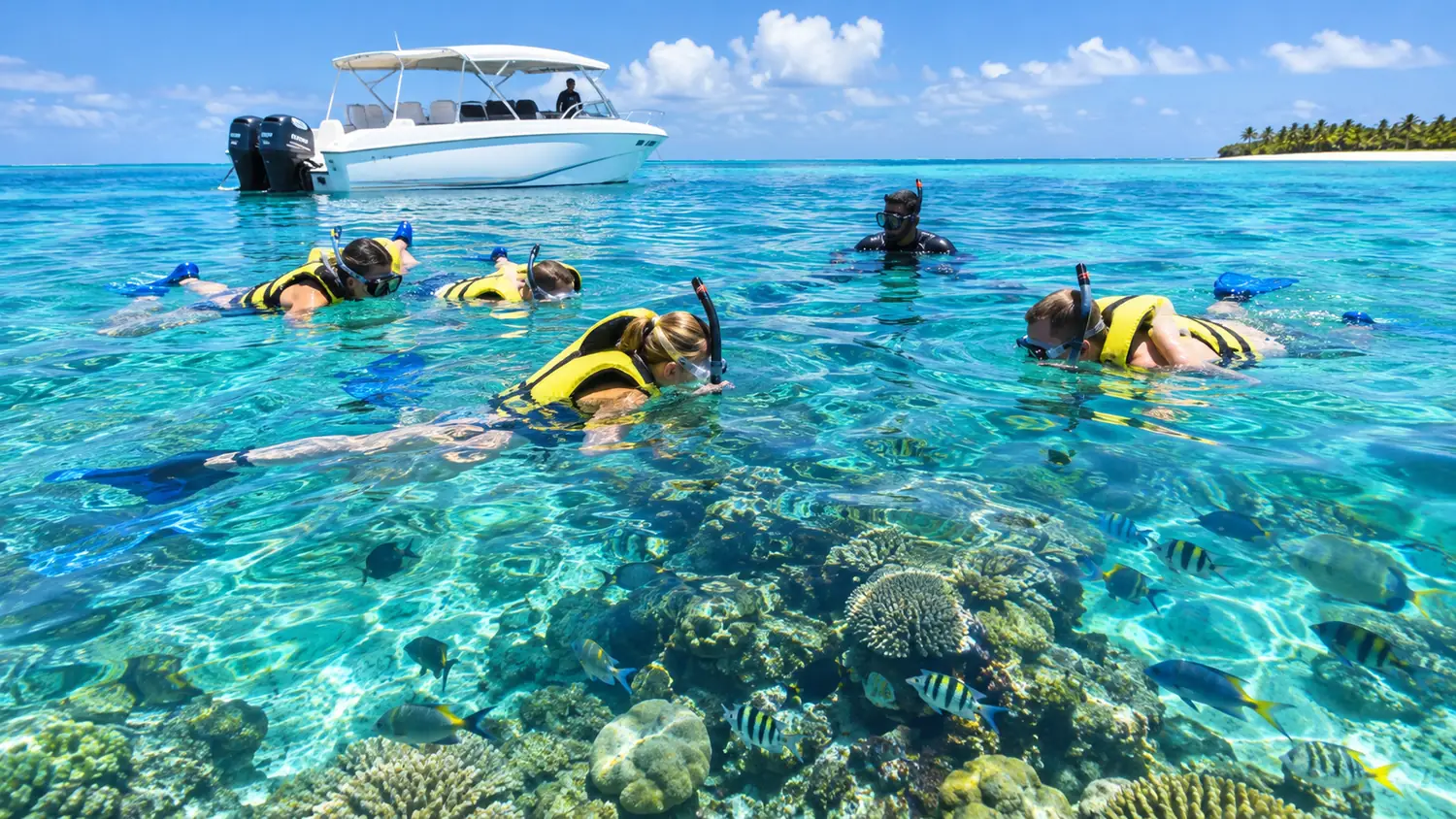
The reef life you meet on a trip from Malé or Maafushi, turtles, nurse sharks, stingrays and shoals of reef fish, stays put through the year. The table shows what each part of the year is good for, as a general guide: the weather on any single day can differ. For a first snorkel, the nurse shark, reef and sandbank trip (4.8 from 112 reviews) runs in every season, with a guide in the water and a lifeguard on board.
| Months | Weather | Sea and visibility | Wildlife highlights | Good for |
|---|---|---|---|---|
| December to January | Dry season sets in: sunny days, lower humidity | Calmer seas, visibility improving | Turtles, nurse sharks and rays; mantas mostly on the western sides of the atolls; whale sharks in South Ari | Snorkel trips, sandbanks, a winter sun break |
| February to April | The driest months are February and March; April is the hottest | Usually the clearest water of the year; the sea is warmest around April | Reef life at its clearest; dolphins in calm seas between the monsoons | First dives, beginners, underwater photos |
| May | The southwest monsoon arrives; often one of the wettest months | Warm water, more plankton on the eastern sides | The Hanifaru manta season begins; mantas move to the eastern sides | Mantas, quieter islands |
| June to August | Wetter, with short heavy showers between sunny spells | Plankton lowers visibility in places but feeds the mantas; occasionally rougher seas | Hanifaru in season; whale sharks in South Ari, busier from about August | Mantas, whale sharks |
| September to October | Showers easing; calmer spells between the monsoons | Warm water, plankton still about | Whale sharks often at their busiest; Hanifaru still in season; dolphins in calmer seas | Whale sharks, mantas, dolphin cruises |
| November | Often one of the wettest months, turning drier towards December | Calmer seas between the monsoons | The last weeks of the Hanifaru season; whale sharks still busy | Whale sharks, the end of the manta season |
Three hours from Malé or Hulhumalé, in any season: a coral reef, the nurse shark point and a sandbank, rated 4.8 from 112 reviews.
Check dates for the nurse shark, reef and sandbank tripWhat is the rainy season in the Maldives?
The southwest monsoon, Hulhangu, from May to November. It brings more humidity and short heavy showers, often with sunshine either side, and May and November are often the wettest months. December to April, Iruvai, is the dry season.
The Maldives sits close to the equator, so it is warm in every month and the seasons are set by the wind. Iruvai, the northeast monsoon, brings dry air, clear skies and little rain, with February and March the driest. Hulhangu, the southwest monsoon, brings moist air from the ocean: rain tends to fall in heavy bursts that pass, rather than in grey days, and the sea is occasionally rougher.
Boat trips run in both seasons. In the wet months crews keep an eye on the sky and the Maldives Meteorological Service forecasts, and plan the stops around squalls. A light rain jacket and a dry bag for your phone are all the extra kit you need.
When are whale sharks and mantas best?
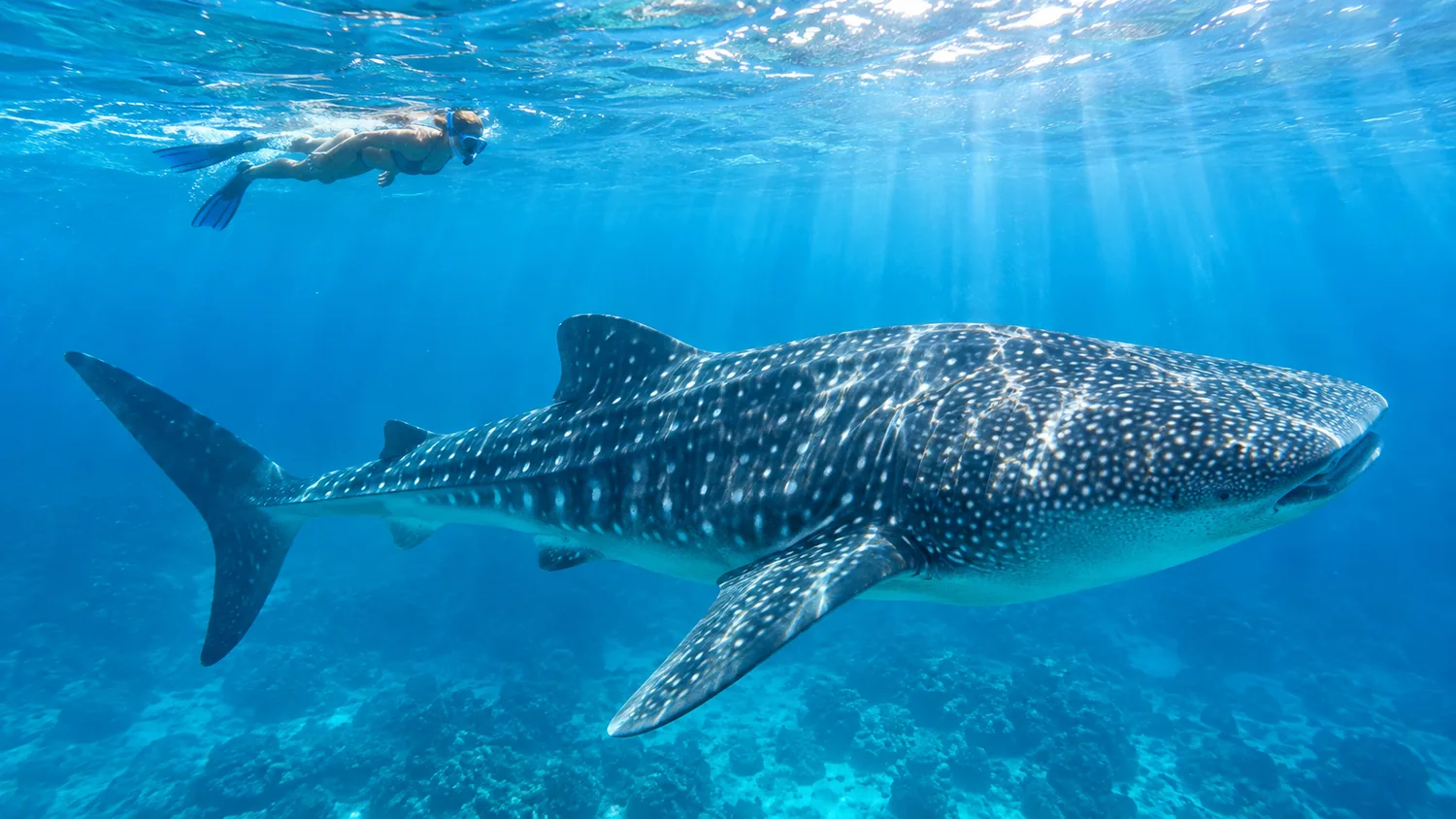
Whale sharks are seen in South Ari all year, with many operators reporting the busiest months from about August to November. Hanifaru Bay's manta season runs from about May to November, in the southwest monsoon.
South Ari is known as a rare place where young whale sharks are seen all year, and researchers have found no clear season in the number of sharks there. That makes it a good bet in any month, although no operator can promise a sighting on a given day; the Visit Maldives guide to whale sharks and mantas explains where both animals gather. If you stay on Dhigurah or Dhangethi, the South Ari whale shark and manta trip searches the marine area in a 4-hour outing.
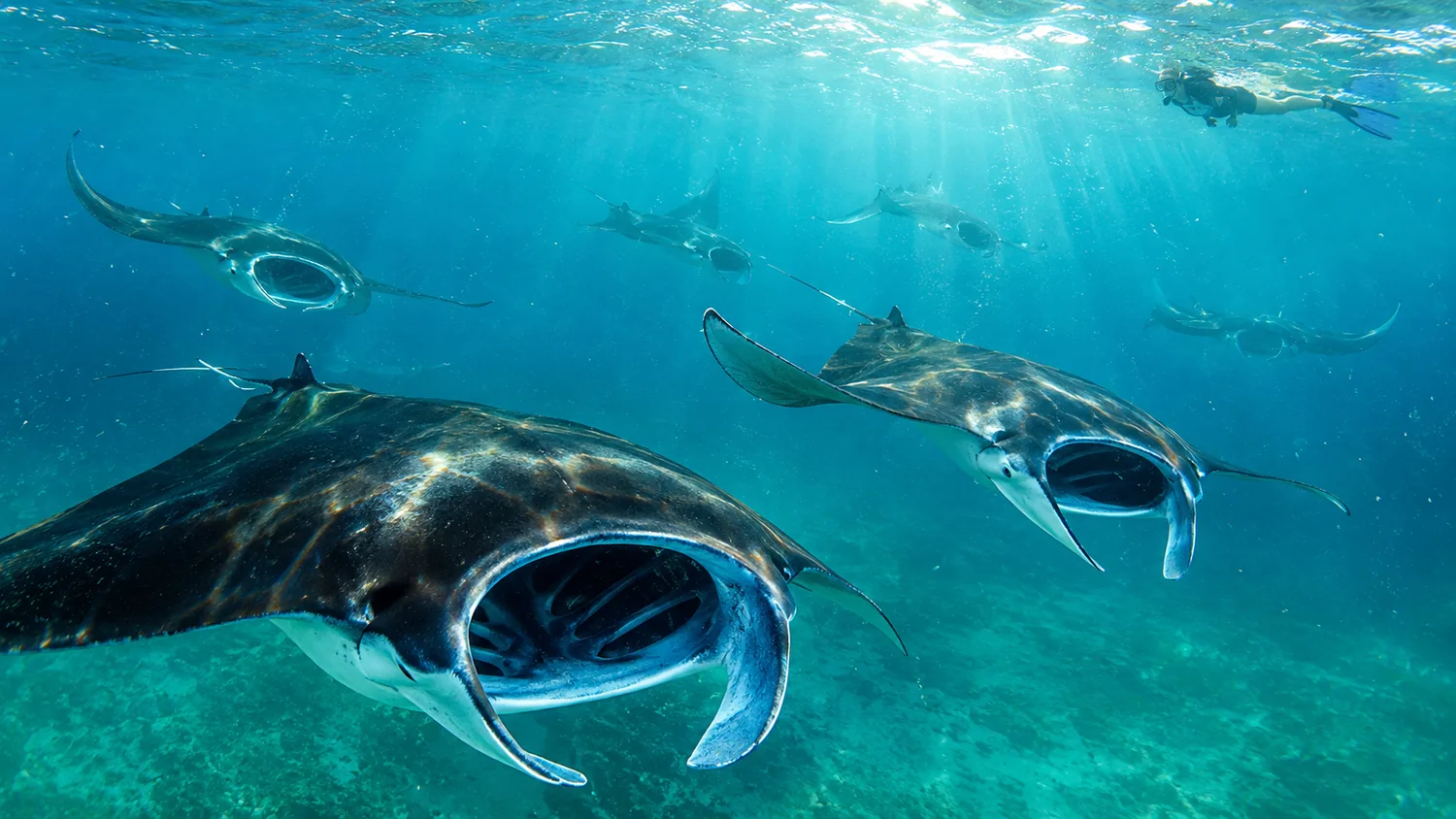
Mantas follow the plankton: from December to April they gather mostly on the western sides of the atolls, from May to November mostly on the eastern sides, and that is when Hanifaru Bay in Baa Atoll fills with feeding mantas on good days. Visits there are snorkel only, time limited and capped, with rangers on site, and a protected-area fee applies, usually arranged by your operator; the rules are on the protected areas page for Hanifaru. The details are in manta rays and Hanifaru Bay.
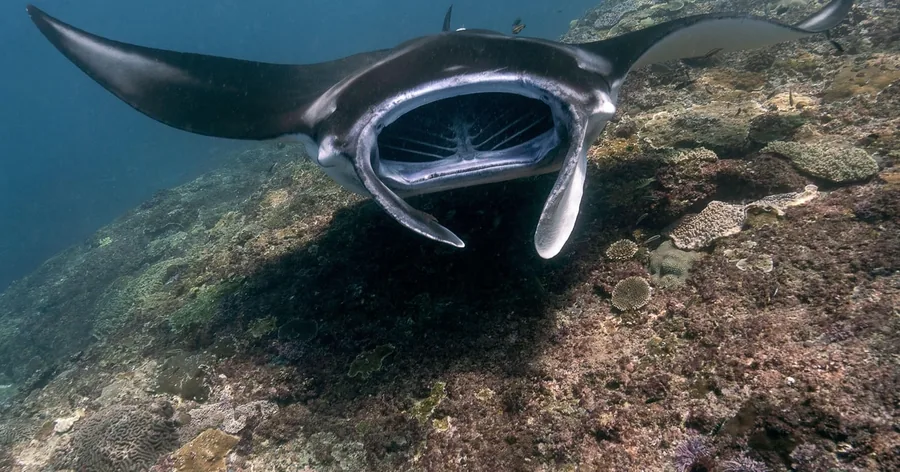
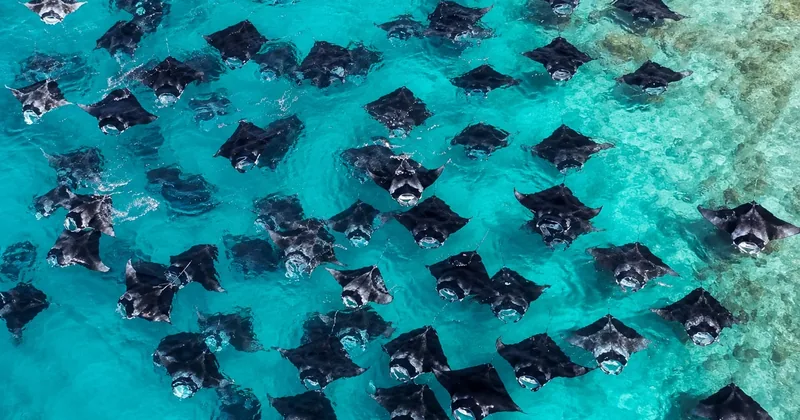
The Hanifaru Bay trip is a 10-hour day by private speedboat from Velana airport to Baa Atoll, about 2.5 to 3 hours each way, for the manta season in the southwest monsoon. A guided snorkel in Hanifaru Bay when conditions allow, a second snorkel stop, a dolphin cruise and lunch on Dharavandhoo are included, with the protected-area fee. Sightings are never promised. It is a private charter, priced as one, and a new listing.
Explore the Hanifaru Bay manta tripAre boat trips cancelled in bad weather?
Sometimes. The Maldives Meteorological Service issues alerts for strong wind and rough seas, and crews then move the stops to sheltered spots, change the day or reschedule. Keep a spare day for long trips such as South Ari.
The Maldives Meteorological Service uses colour-coded alerts, white, yellow and higher, and advises small boats to stay in harbour on the roughest days. Short snorkel trips inside the atoll often still run on windy days, because guides pick sheltered reefs and brief you before each swim. Long crossings between atolls, such as a whale shark day from Maafushi or the speedboat to Baa, are the ones most likely to move.
Plan the trip you care about most early in your stay, so there is a second chance. If you are prone to seasickness, take a tablet before a long boat day, as one reviewer of the nurse shark trip suggests. And your own plans stay flexible: every trip on this site gives a full refund if you cancel up to 24 hours ahead.
If you stay in South Ari, a short trip to the whale shark feeding grounds and a manta station, with a crew that searches as long as possible.
Check dates for the South Ari whale shark and manta tripHow warm is the sea in the Maldives?
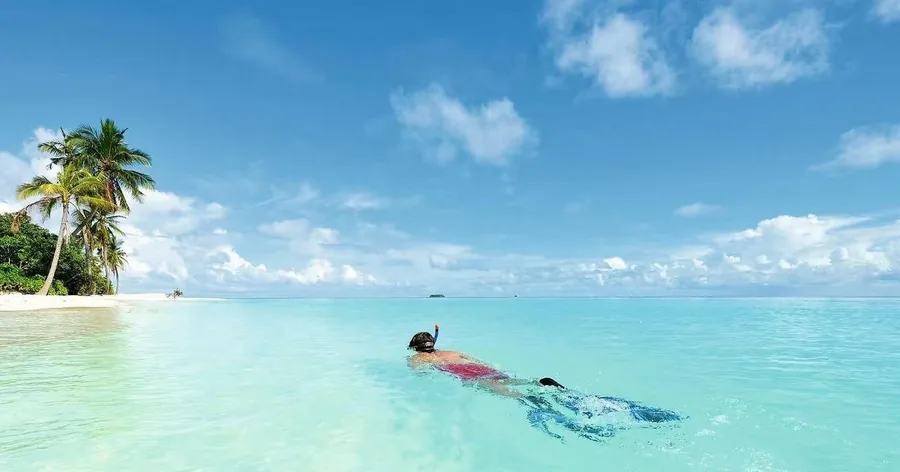
About 27 to 30 °C all year, warmest around April and May. You do not need a wetsuit to snorkel; a rash vest is useful for the sun.
The water is warm enough to stay in for a long snorkel in any month. Many people still wear a rash vest or a thin long-sleeved swim top, mainly to keep the equatorial sun off their back during an hour face down on the surface. Divers often wear a thin wetsuit or a shorty for comfort on longer dives; the dive centre provides one.
On the sunniest days of the dry season, the strongest sun comes in the middle of the day, which is another reason the trips start early. A hat, sunglasses and a mineral sunscreen, good practice for the reef, cover the rest.
When are dolphins easiest to see?
Dolphin cruises run all year, and the calmest seas for spotting them tend to come between the monsoons, about February to early May and September to early December. Early morning and sunset are the best times of day.
Spinner dolphins feed offshore at night and come into the atolls by day to rest, using the same reef channels, which is why crews know where to look. On a calm day their fins are easy to spot, and pods often swim alongside the boat or spin out of the water. Dolphins are watched from the boat, not swum with: good crews slow down, keep their distance and let the dolphins choose how close to come.
The sunset dolphin cruise (5.0 from 3 reviews) spends two hours at sea at the end of the day, with pickup from Malé, Hulhumalé or the airport. Dolphins are often seen but never promised; one reviewer reports many on their evening, and on a small boat you may get splashed.
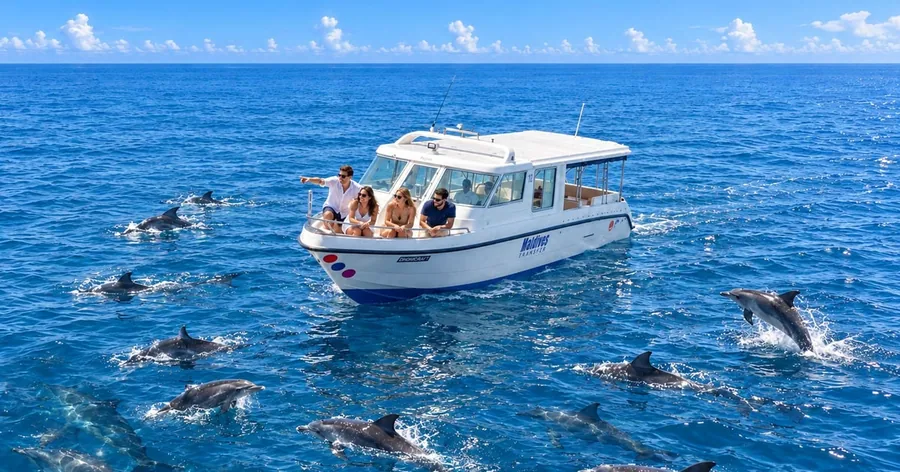
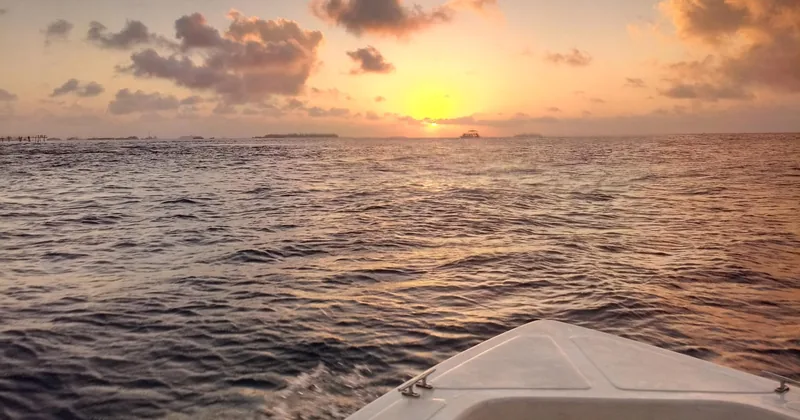
The sunset dolphin cruise takes two hours on a speedboat from the Westside jetty in Hulhumalé, with pickup available from the airport, Malé, Hulhumalé or the cruise tender jetty. Water and a guide are included, it runs even for a single guest, and it suits anyone who would rather stay dry.
Explore the sunset dolphin cruiseWhy do sandbank trip times change from day to day?
Because sandbanks follow the tide. The range is small, about 1 m, but enough to cover a low sandbank, so operators set departure times around low tide on your date.
At low tide a sandbank is a strip of white sand you can walk around; a few hours later the same place can be knee-deep water. That is why the time for a sandbank trip may change from one day to the next, and why the crew sends it the evening before. The rest of the trip, the reef stops and the shark point, is planned around it.
The Hulhumalé full-day boat trip (4.4 from 273 reviews) stops at a sandbank near Himmafushi between the dolphin channel and the stingray snorkel, and the crew adjusts the plan to the weather and the sea. More sandbank trips are compared on the homepage.
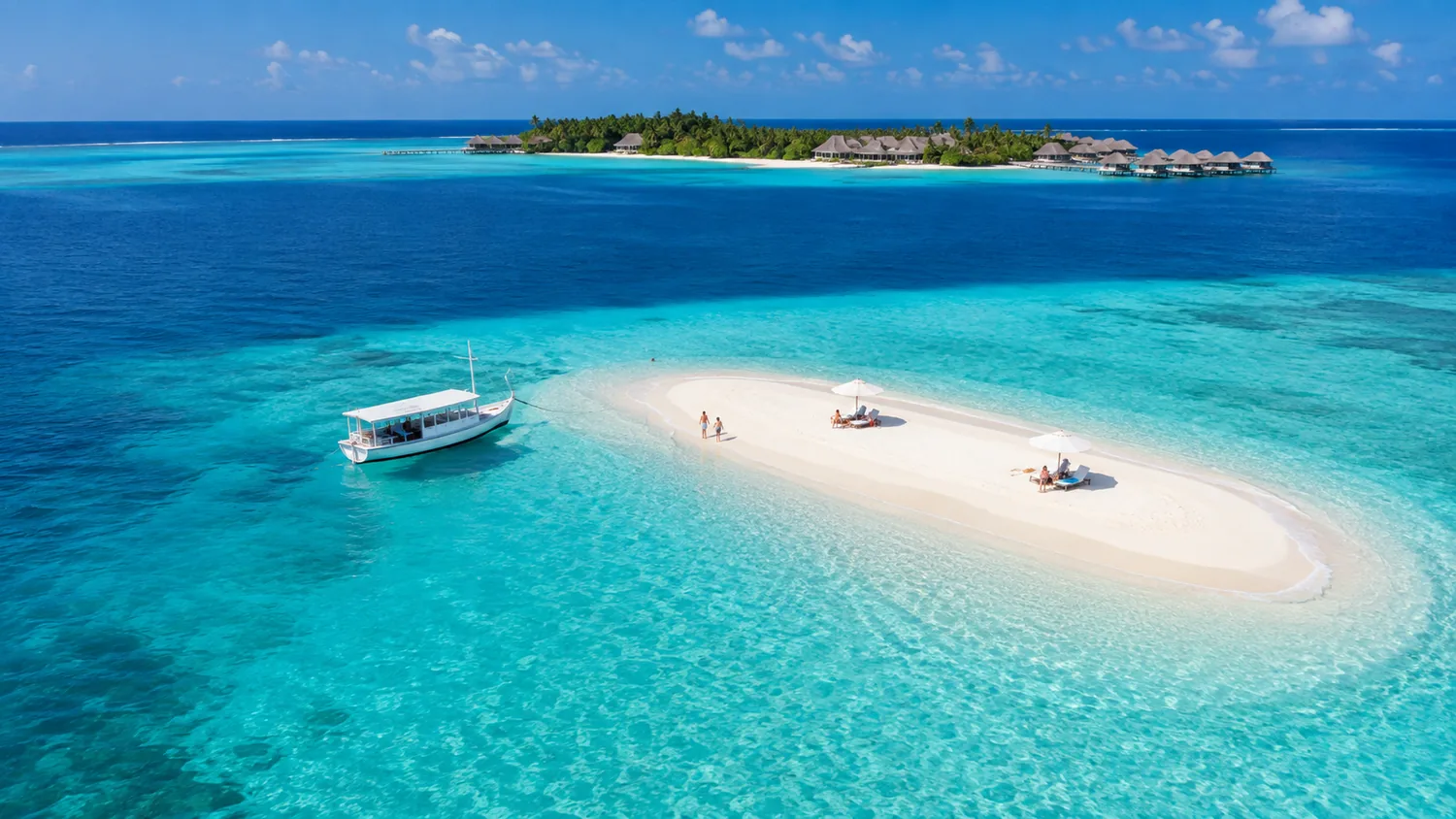
The most-booked day from Hulhumalé: the dolphin channel, a sandbank, stingrays and a local island lunch, with a crew that plans around the weather.
Check dates for the Hulhumalé full-day boat tripFrequently asked questions
Is the Maldives good in the rainy season?
Yes for the water: the sea stays warm, the islands are quieter, and May to November is the Hanifaru manta season. Expect short heavy showers between sunny spells and keep a spare day for long boat trips.
Which month has the clearest water?
Visibility is usually best in the dry northeast monsoon, with February to April the most popular months for divers and snorkelers.
Can you see whale sharks and Hanifaru mantas on one trip?
Yes, from about May to November both are possible, but they are in different atolls: whale sharks in South Ari and the Hanifaru mantas in Baa. Plan them as separate days or stays.
Do I need a wetsuit to snorkel in the Maldives?
No. The sea is about 27 to 30 °C all year. A rash vest is worth packing to protect your back from the sun.
Ready to book
Choose your trip
Check your date and the live price on GetYourGuide; the refund terms are shown on each option.
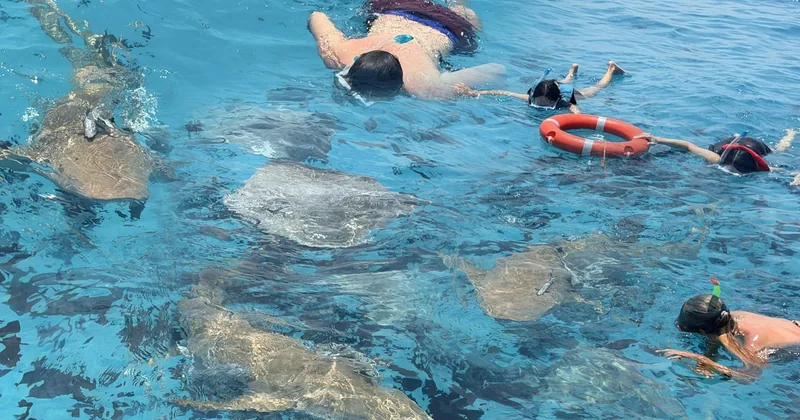
Nurse Sharks, Reef & Sandbank
- Pickup in Malé, Hulhumalé or at the airport
- Speedboat with shade and an onboard toilet
- Mask, snorkel, fins and a life jacket
Hanifaru Bay Mantas by Speedboat
A private speedboat to Baa Atoll for the manta season in Hanifaru Bay, about 2.5 to 3 hours each way
Sunset Dolphin Cruise
Two easy hours at sea at the end of the day, looking for spinner dolphins, no swimming needed